


Sankalpa in Yoga: The Power of Intentional Living (No New You Required)
What is Sankalpa? It originates from the Sanskrit word that holds some serious magic when it comes to intention setting in yoga and life. Spoiler alert: this isn’t about becoming a shinier, better, upgraded version of yourself. In fact, Sankalpa is rooted in the idea that you are already enough. Yes, really.
Wait, What Is Sankalpa?
Sankalpa (pronounced sun-kull-pah) roughly translates to “a heartfelt intention” or “a solemn vow.” But let’s ditch the dictionary and say it like this: Sankalpa is your soul’s whisper. It’s not a goal you chase; it’s a deep, inner resolve aligned with your highest truth.
Unlike your classic New Year’s resolution—usually rooted in lack (eat less, do more, be thinner, hustle harder)—a Sankalpa starts from wholeness. It’s not about fixing yourself. It’s about remembering who you already are.
**This post contains affiliate links, and if you purchase anything using these links, I will earn a small commission with no additional costs to you.
Setting a Sankalpa: Not Just for the Mat
Sankalpa is often used in yoga nidra or at the beginning of a yoga practice, but it can also be your daily compass. Yoga Nidra is a deep relaxation practice that encourages the subconscious mind to embrace your intention. Think of Sankalpa as your internal North Star, guiding your actions, thoughts, and choices in alignment with your core values and connecting with your deepest desires and purpose while acknowledging that you already possess the qualities needed for fulfilment.
Instead of saying:
“I want to be more confident.”
Your Sankalpa might be:
“I am confident.”
Notice the shift? One says you’re not enough yet. The other says: you already are—now act like it.

Why This Works (Even If It Sounds Woo)
Here’s the science-meets-soul moment: when you affirm a truth consistently, you create new neural pathways. Your brain begins to believe and behave in ways that support your Sankalpa. You’re not pretending. You’re reminding.
Also? Intention is powerful. Your actions shift naturally when you start acting like you already embody the desired quality. It’s not force—it’s flow. Read about my experience.
Sankalpa Helped Me Leave a “Safe” Job for a Soul-Aligned Path
You know that voice that whispers, “There’s more than this”? I heard it loud and clear while sitting at my desk in a perfectly stable, perfectly soul-numbing job. I had all the security—steady paycheck, routine, structure—but none of the spark.
That’s when my Sankalpa came through:
“I trust my inner wisdom and I know this change is good for me and my family.”
It wasn’t about quitting on impulse. It was about tuning into that deeper knowing that had been there all along, nudging me toward something that felt more aligned. With that intention guiding me, I didn’t leap blindly—I planned, prepared, and eventually stepped onto a path that felt way more like me.
It wasn’t easy. Doubt tried to crash the party daily, but my Sankalpa acted like a quiet anchor. I was guided by truth and let the universe resolve my intention, which was aligned with my highest truth.
Your truth gets a lot louder when you trust it.
Healing Family Tension: Sankalpa as Emotional Compass
Let’s just say my relationship with my mother-in-law had a certain… texture. (Read: deep sighs, awkward dinners, and a strong temptation to avoid her altogether.) But I didn’t want to live in constant tension. I knew something had to shift—and it wasn’t just her.
So I set this Sankalpa:
“I respond with compassion and calm and my family lives peacefully.”
This wasn’t about being a doormat or stuffing my feelings. It was about choosing to respond, not react.
And slowly, something softened. Not just in her—but in me. Compassion didn’t mean agreeing with everything. It meant showing up with presence instead of defensiveness.
Healing didn’t happen overnight. But Sankalpa gave me a way forward that felt empowering instead of exhausting, and acknowledged that I already possess the qualities needed for fulfilment.
Parenting Through the Storm: When I Needed Strength, Sankalpa Delivered
Life threw us a curveball (don’t they always come uninvited?), and suddenly, I was in survival mode—emotionally, financially, and as a parent. There were days I wanted to crumble, but my kids needed me to be present, clear-headed, and strong.
So I leaned hard into this Sankalpa:
“I am resilient and grounded.”
This became my emotional armour—not the kind that shuts out feelings, but the kind that holds you steady when everything else is shaking. When I felt overwhelmed, I’d literally close my eyes and breathe that Sankalpa in. Sometimes, it was just a whisper, and sometimes, it was a lifeline.
And you know what? It worked—not by removing the hardship but by shifting how I showed up. My kids didn’t need perfection. They needed someone who was rooted, and my Sankalpa helped me be that.
It helps you be yourself, manage negative thoughts, and foster a sense of purpose and inner peace.

How to Create Your Own Sankalpa
1. Get Quiet.
Find a few minutes to sit still. Breathe. Let the surface-level stuff settle.
2. Tune In.
Ask: What do I sincerely want to feel or embody? What quality is already within me that I want to strengthen?
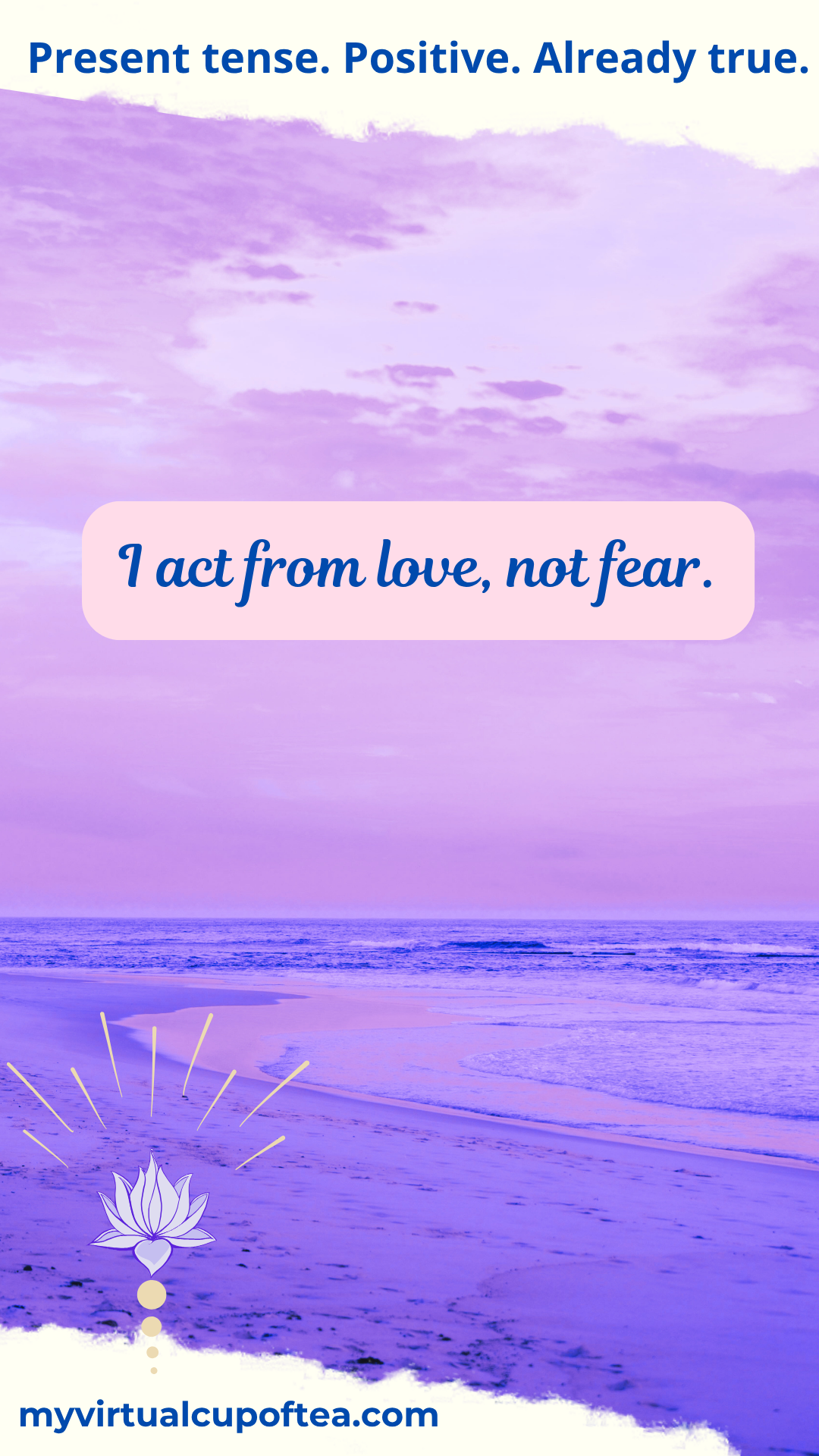
3. Phrase It in the Present Tense.
Your Sankalpa should be sincere and stated as already true. Here are a few examples:
- “I am resilient and grounded.”
- “I live with compassion.”
- “I trust my inner wisdom.”
- “My relationship is meanigful and I trust my inner voice.”
4. Repeat It (Lovingly, Not Like a Drill Sergeant).
Use it during savasana, yoga nidra, meditation, or as a quiet mantra throughout your day. Let it root itself in your body and your breath.
Just the breath, and your intention. Pranayama and sankalpa. With these, miracles happen. With these, you can transform worlds. Yoga Alchemy: The Two Tools with Mark Morford. It begins with nadi shodhana (alternate nostril breathing – literally “channel purification”) to clear and tonify the primary left, right, and central (ida, pingala, shoshumna) energy pathways – essential for moving pranic dynamism more freely through the body.
Yoga Alchemy: The Two Tools with Mark MorfordSankalpa vs. Goals: A Quick Pep Talk
Let’s be clear. Goals are great. Sankalpa isn’t anti-ambition. But your Sankalpa is the energy behind the action, not the outcome.
Want to run a marathon? Great. But maybe your Sankalpa is:
“I am strong and resilient.”
That way, even if it rains or you miss a training day, you’ll still be connected to your deeper why.
Slow Yoga Reset with Jackie Casal MahrouYou Are Already Enough
Sankalpa doesn’t ask you to hustle harder. It invites you to remember who you truly are—then live like you mean it. Whether you’re on the yoga mat, stuck in traffic, or sipping a very necessary coffee, your Sankalpa is right there, waiting to guide you back to your essence.
So go ahead. Set your Sankalpa. Speak it like it’s sacred (because it is). And know this: you’re not becoming something new. You’re becoming more of who you already are.
Your Journey Starts Here
Ready to plant your intention? Download your free Sankalpa Journal Guide and start aligning your life with your truth.

Myvirtualcupoftea.com is a participant in the Amazon Services LLC Associates Program, an affiliate advertising program designed to provide a means for sites to earn advertising fees by advertising and linking to Amazon.com and affiliated sites. Thank you for supporting my blog!
 My Virtual Cup of Tea
2 thoughts on “Sankalpa in Yoga: How to Set a Powerful Intention That Aligns With Your True Self”