


Let’s be honest: sleep can be tricky. You spend your day juggling work, screens, to-do lists, and a million little thoughts, and when you finally crawl into bed—bam—your brain decides it’s time to replay everything that’s ever gone wrong since middle school.
Sound familiar?
If counting sheep or doom-scrolling your way to “sleepiness” isn’t cutting it, there’s a softer, more holistic way to coax your body and mind into rest mode—bedtime yoga.
And no, you don’t need to twist into a pretzel or break a sweat. The goal here is to relax, restore, and prepare your body for deep, restorative sleep.
Let’s dive into a bedtime yoga sequence designed to melt away the day’s tension and ease you gently into dreamland.
**This post contains affiliate links, and if you purchase anything using these links, I will earn a small commission with no additional costs to you.

Why Yoga Before Bed Works Wonders
Yoga is like pressing the reset button for your nervous system. It helps regulate your parasympathetic nervous system—that’s the “rest and digest” mode—lowering cortisol (the stress hormone), slowing your heart rate, and calming your racing thoughts.
Unlike intense workouts that spike adrenaline, gentle yoga before bed helps your body relax and unwind, teaching it that it’s safe to let go. When paired with mindful breathing, it tells your brain, “Hey, it’s okay to relax now.”
Yoga Alchemy: The Two Tools with Mark MorfordStudies have even shown that regular yoga practice improves sleep quality, duration, and onset time—meaning you fall asleep faster, stay asleep longer, and wake up feeling genuinely refreshed.
Setting the Mood: Creating a Sleep-Supportive Space
Before you hit the mat (or the floor, or even your bed—no judgment here), take a moment to create an environment that invites rest.
- Dim the lights or use a soft lamp or candle.
- Silence notifications (yes, even the “just in case” ones).
- Diffuse lavender or chamomile essential oil, or simply take a few deep breaths with your favourite calming scent.
- Put on gentle music or white noise if it helps you unwind.
Think of this as a prelude to stillness—your transition from “doing” to “being.”
The Bedtime Yoga Sequence for Better Sleep
This sequence takes about 15–20 minutes, but even five minutes can make a difference. The key is slow, intentional movement and steady, deep breathing.
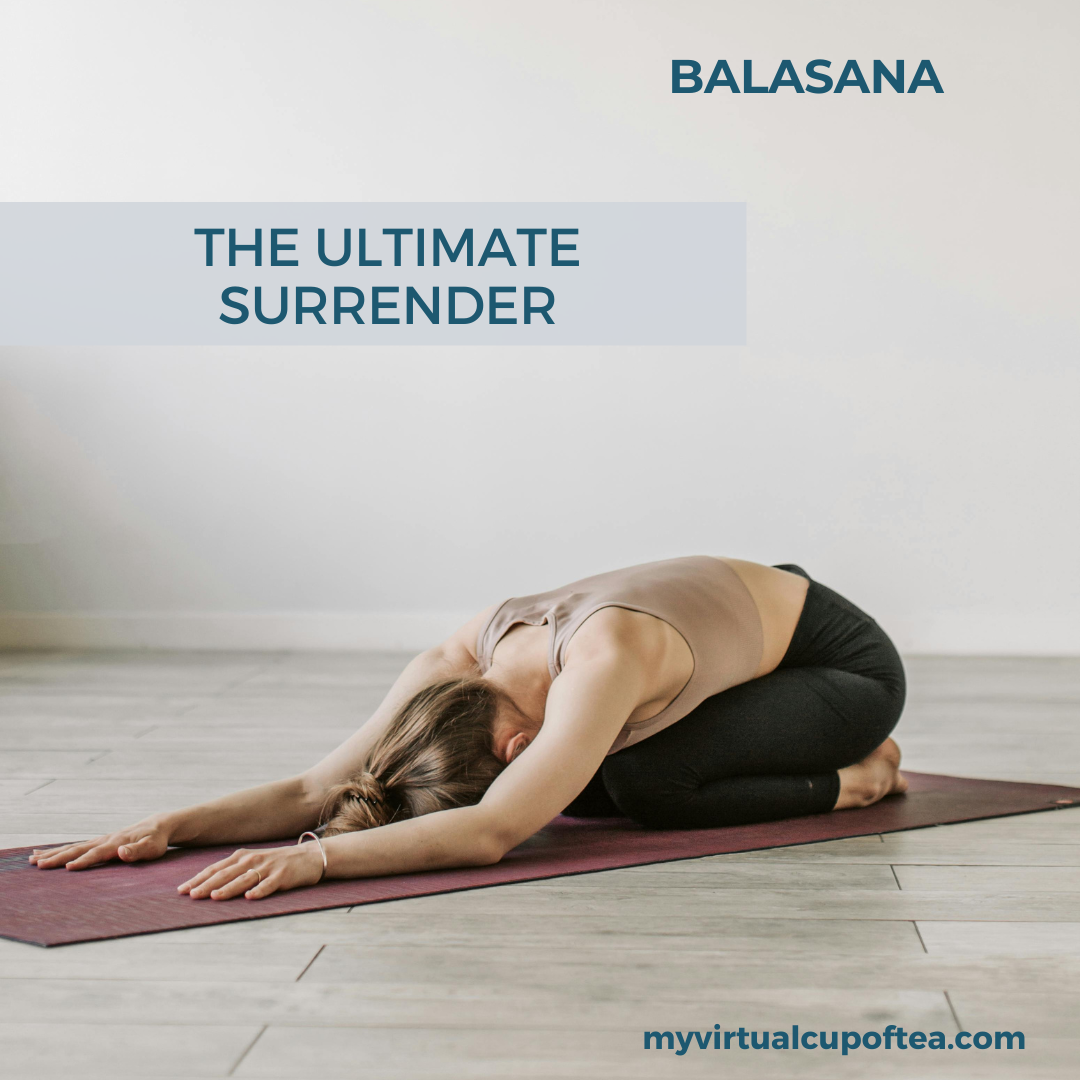
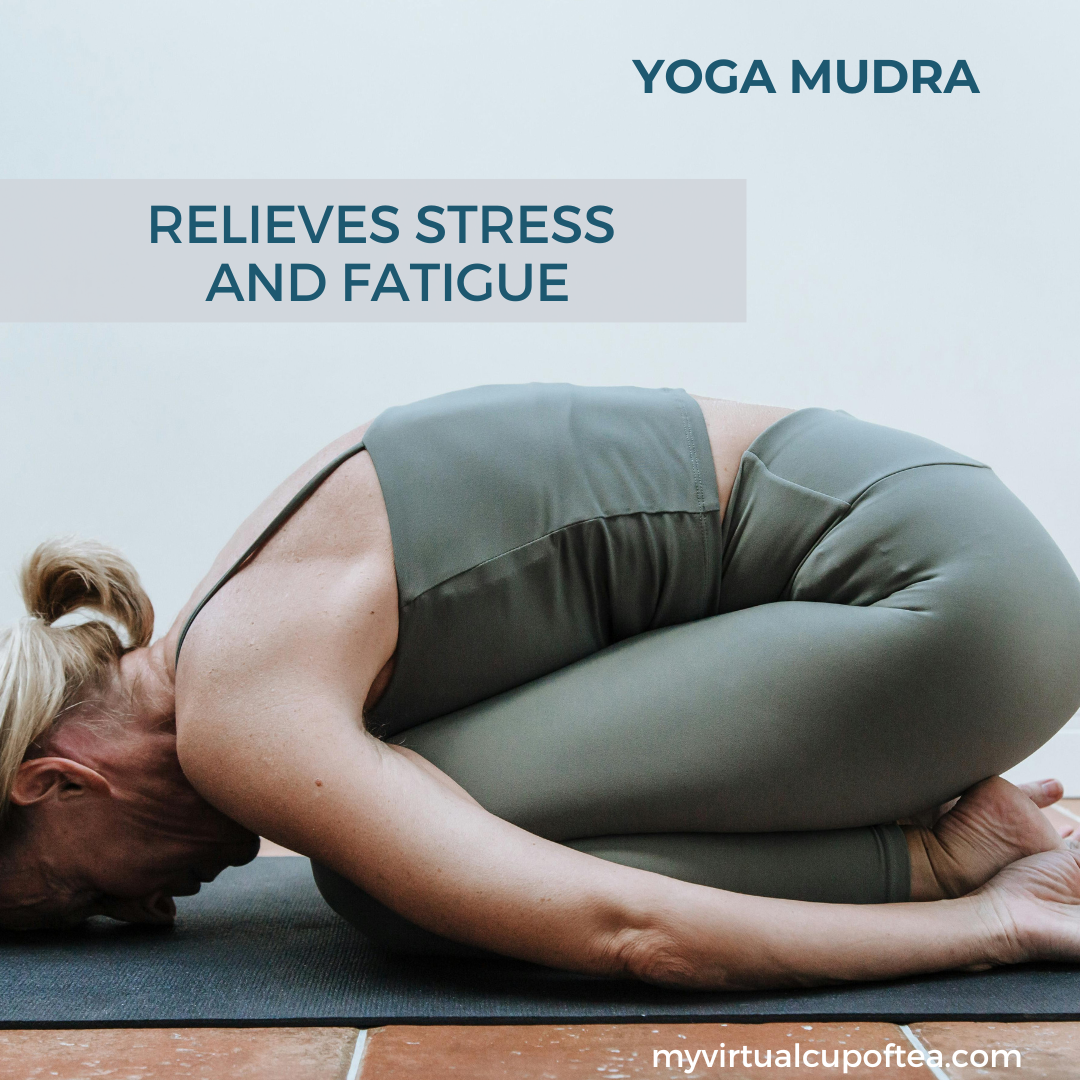
Balasana – The Ultimate Surrender
How to do it:
Kneel on your mat, bring your big toes together, and let your knees drift apart. Fold forward, resting your forehead on the mat. Your arms extend forward, palms facing downward. Or you can rest your arms comfortably alongside your body and relax them; your palms will be next to your feet, facing upwards. Take some deep breaths for the flow of Prana. Bring your awareness to your Chitta and relax.
Why it works:
Child’s Pose stretches the lower back, hips, and thighs while signalling your body to relax. It’s grounding and comforting—like a gentle hug for your nervous system.
Tip: Take slow, deep breaths into your belly, feeling it press against your thighs. Stay for 1–3 minutes.
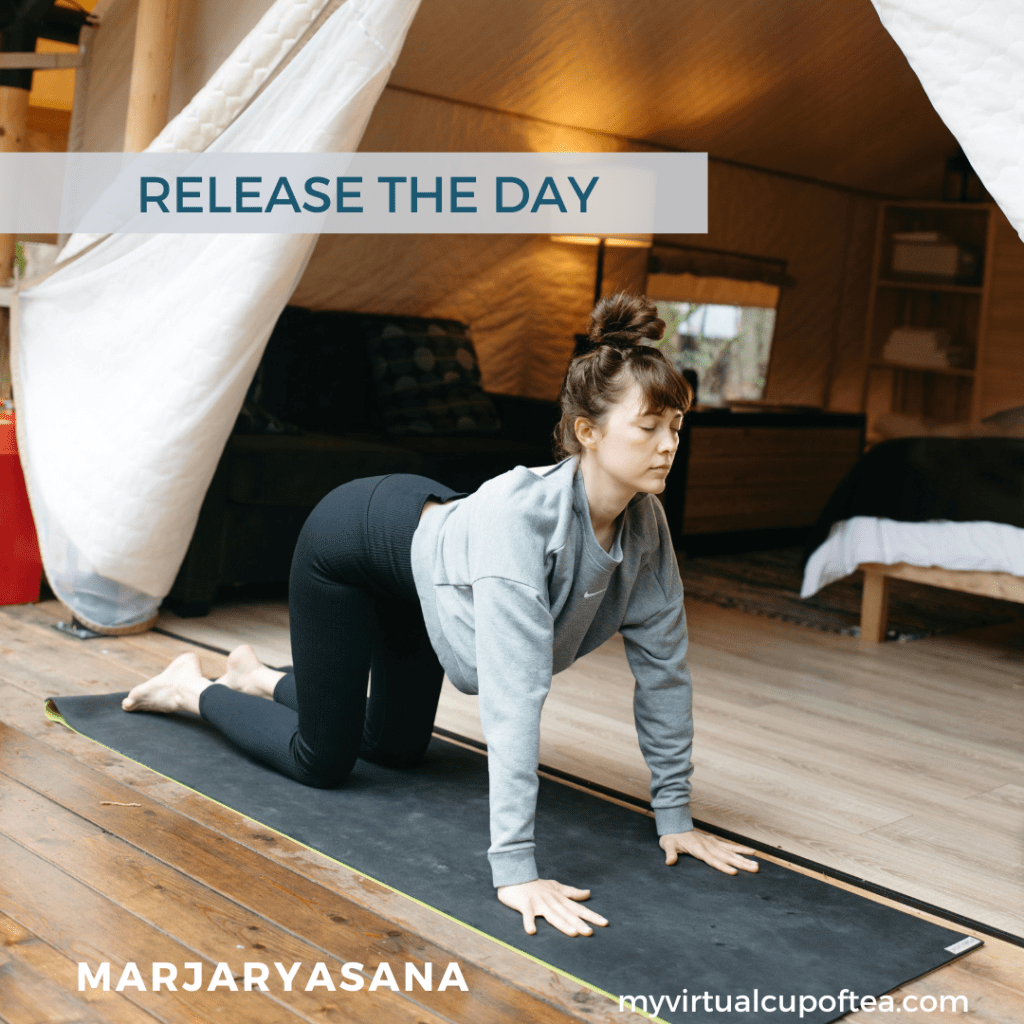
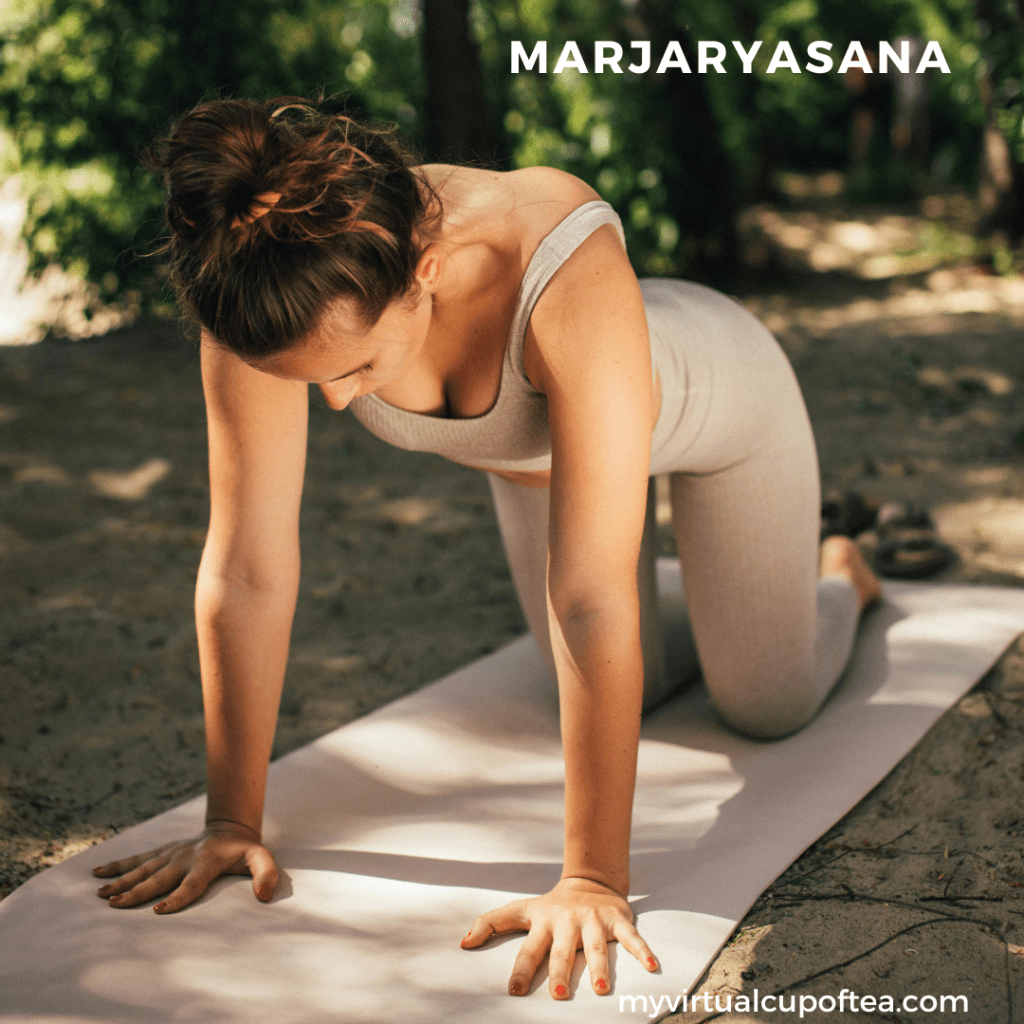
Marjaryasana-Bitilasana – Release the Day
How to do it:
Marjaryasana-Bitilasana is a combination of two asanas that comprise one of the most fundamental movements throughout the many schools of yoga. Come to all fours. As you inhale, arch your back, lift your chest, and gaze slightly upward. This is Bitilasana. As you exhale, round your spine and tuck your chin to your chest, Marjaryasana.
Why it works:
This movement improves spinal flexibility and releases tension built up in the shoulders and back—perfect if you’ve been glued to a desk all day.
Tip: Sync your movement with your breath—slowly, deliberately. Think of it as massaging your spine goodnight.

Uttanasana – Let It All Go
How to do it:
Stand tall, then fold forward from your hips, bending forward toward your feet while exhaling, keeping your back flat and allowing your upper body to hang loose. Deeply breathe while remaining in this pose for 20-30 seconds. With your legs and spine erect, rest your hands beside your feet or on your legs. Continue with the deep breaths while allowing your head to relax and move toward your feet.
Why it works:
This pose decompresses the spine and encourages blood flow to your brain. It’s a physical release and a symbolic one—a literal letting go of the day.
Tip: Add a gentle sway from side to side. Feel gravity doing the work.


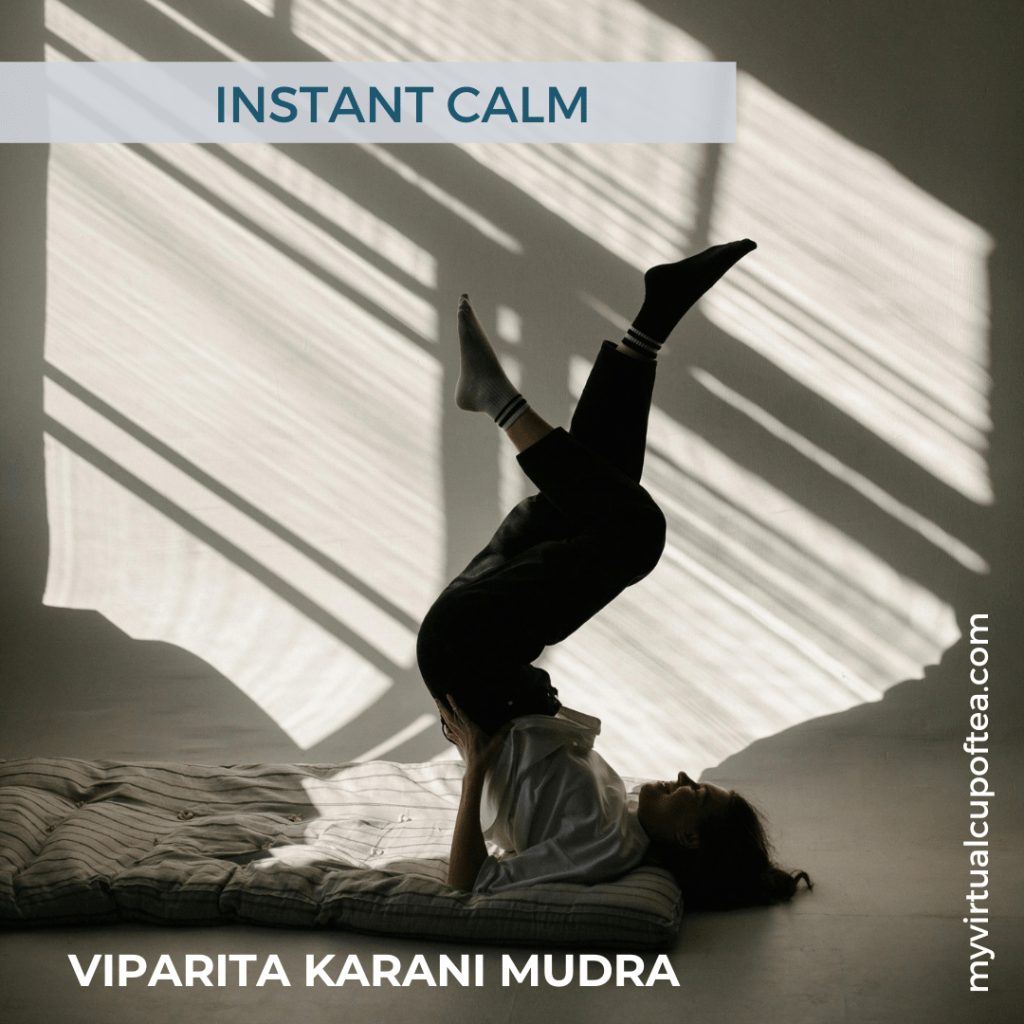
Viparita Karani Mudra – Instant Calm
How to do it:
Lie on your back, get comfortable, and relax your arms alongside your body. Breathe normally. Slowly lift your legs vertically until they form a 90 ° angle with the floor. Once your legs are raised, gently place your hands under your lower back, at the level of your waist.
Using your hands and elbows for support, lift your torso so that your body weight rests on your shoulders and your torso forms about a 45 ° angle with the floor.
Stay in this position for as long as it feels comfortable to you.
Continue to breathe normally while performing the exercise.
Why it works:
This restorative inversion soothes tired legs, improves circulation, and signals the nervous system that it’s time to relax. It’s one of the best poses for winding down at night.
Tip: Place a folded blanket under your hips for support, close your eyes, and breathe slowly for 5–10 minutes.

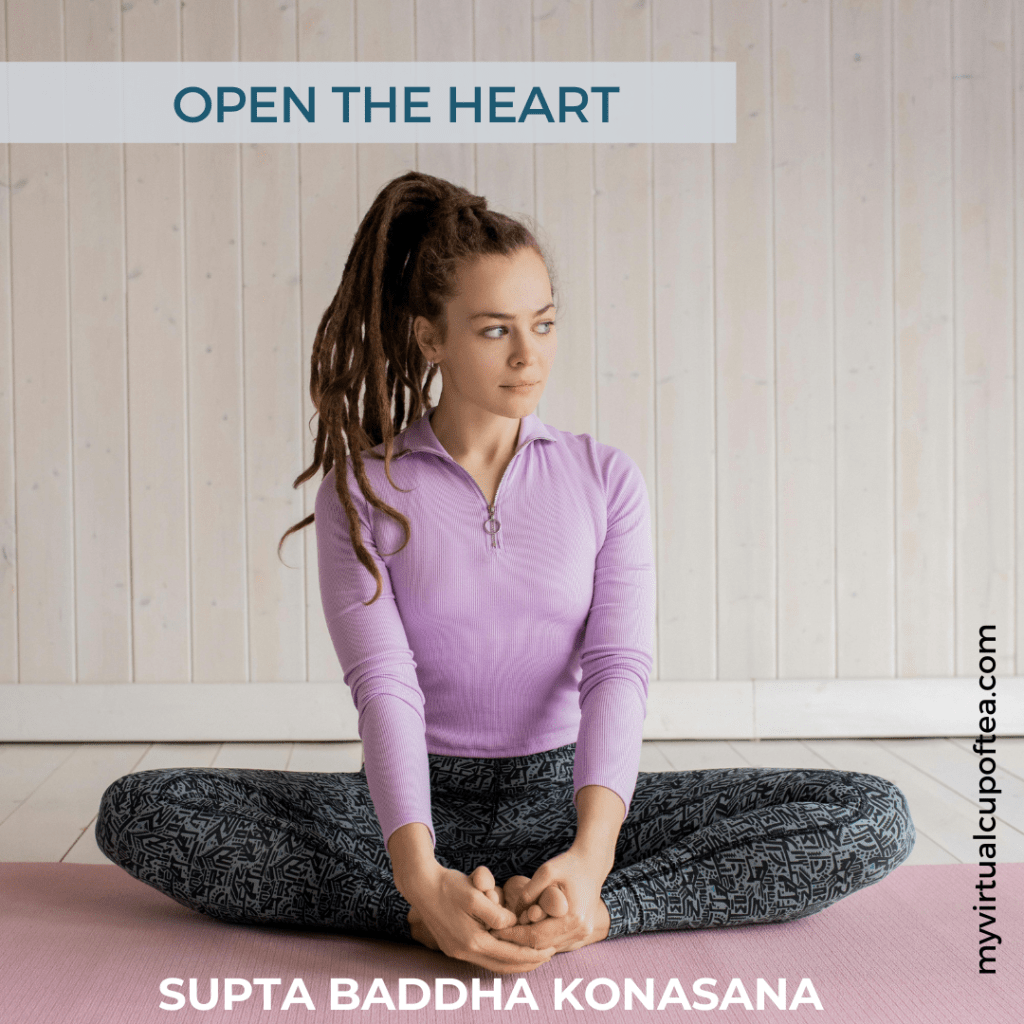
Supta Baddha Konasana – Open the Heart
How to do it:
Lie on your back, bring the soles of your feet together, and let your knees drop open to the sides. You can place pillows or blocks under your thighs for support.
Why it works:
This gentle hip opener helps ease tension stored in the lower body, promoting a sense of openness and release.
Tip:Rst one hand on your heart and one on your belly. Breathe deeply, noticing the gentle rise and fall beneath your hands.

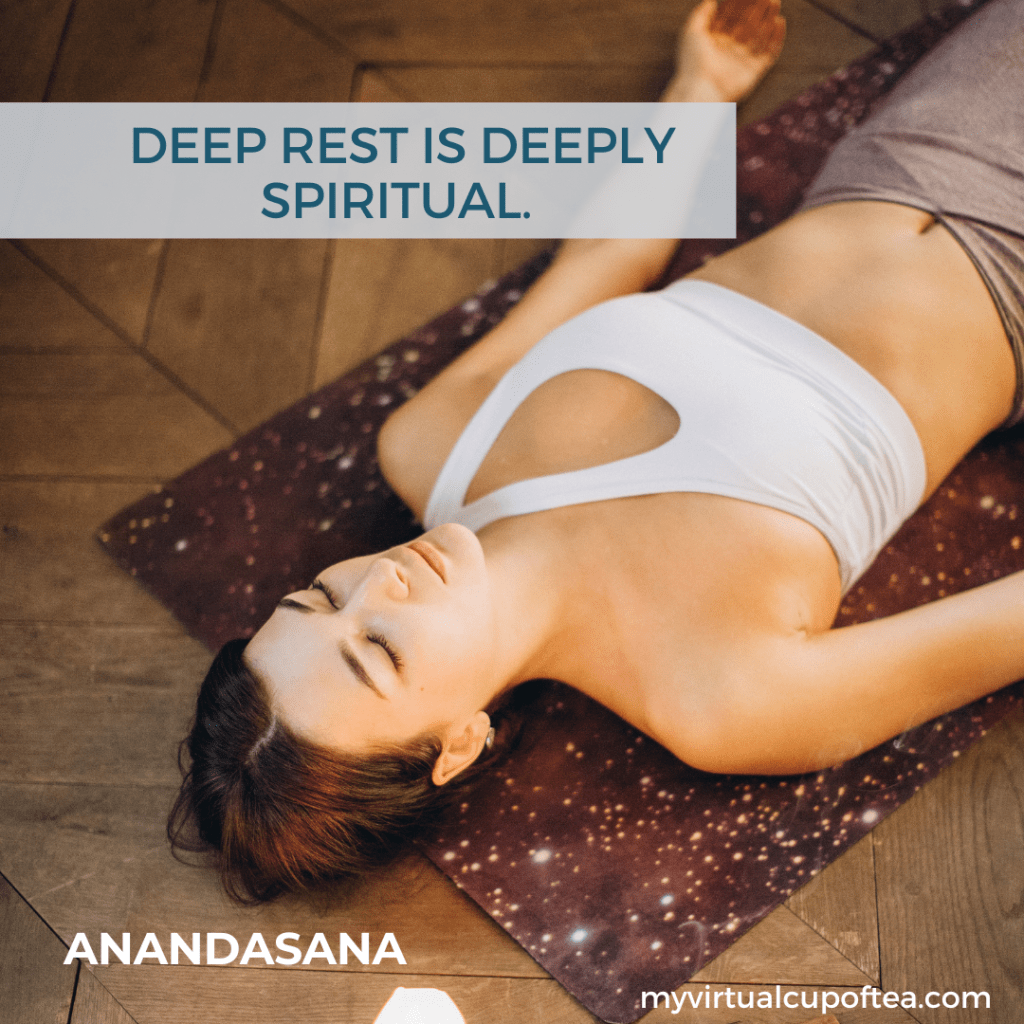
Anandasana: Deep rest is deeply spiritual.
How to do it:
Lie flat on your back, arms relaxed by your sides, palms facing up. Let your feet fall open naturally. Close your eyes and relax your eyelids. Feel the whole body from the toes to the head. Feel a sense of inner quiet and peace.
Why it works:
Anandasana integrates all the benefits of your practice. It’s a full-body reset that invites stillness and surrender—an essential cue for your body to shift into rest mode.
Tip: Focus on a body scan: mentally release tension from your toes up to your forehead. Stay for at least 5 minutes—or longer if you like.

Breathwork for Sleep – Pranayama
Your breath is your body’s natural tranquilliser. Try this 4-7-8 breathing technique as you lie in Savasana or in bed:
- Inhale quietly through your nose for 4 seconds
- Hold your breath for 7 seconds
- Exhale slowly through your mouth for 8 seconds
Repeat 4–5 times. It lowers your heart rate, quiets your mind, and preps your body for sleep.
The best way to conclude this calming sequence is to practice Pranayama. Read my entire post about the power of breathing.
The Science of Sleep + Yoga
There’s a reason bedtime yoga works—it’s not just anecdotal. Research indicates that yoga enhances gamma-aminobutyric acid (GABA) levels in the brain, a neurotransmitter associated with calmness and reduced anxiety.
It also improves heart rate variability, which indicates your body’s ability to adapt to stress. The result? A smoother transition into deeper sleep stages and fewer nighttime awakenings.
Even just 10 minutes of gentle yoga before bed can reduce insomnia symptoms and improve overall sleep quality.
Make It a Ritual, Not a Routine
Here’s the secret to making bedtime yoga truly transformative—it’s not about perfection or performance. It’s about consistency and intention.
Approach your evening practice as a ritual of self-care. Light a candle, roll out your mat, and give yourself permission to slow down. Over time, your body will start to recognise these cues as signals that it’s time to rest.
The more you practice, the more your mind and body will sync up with this rhythm of relaxation.
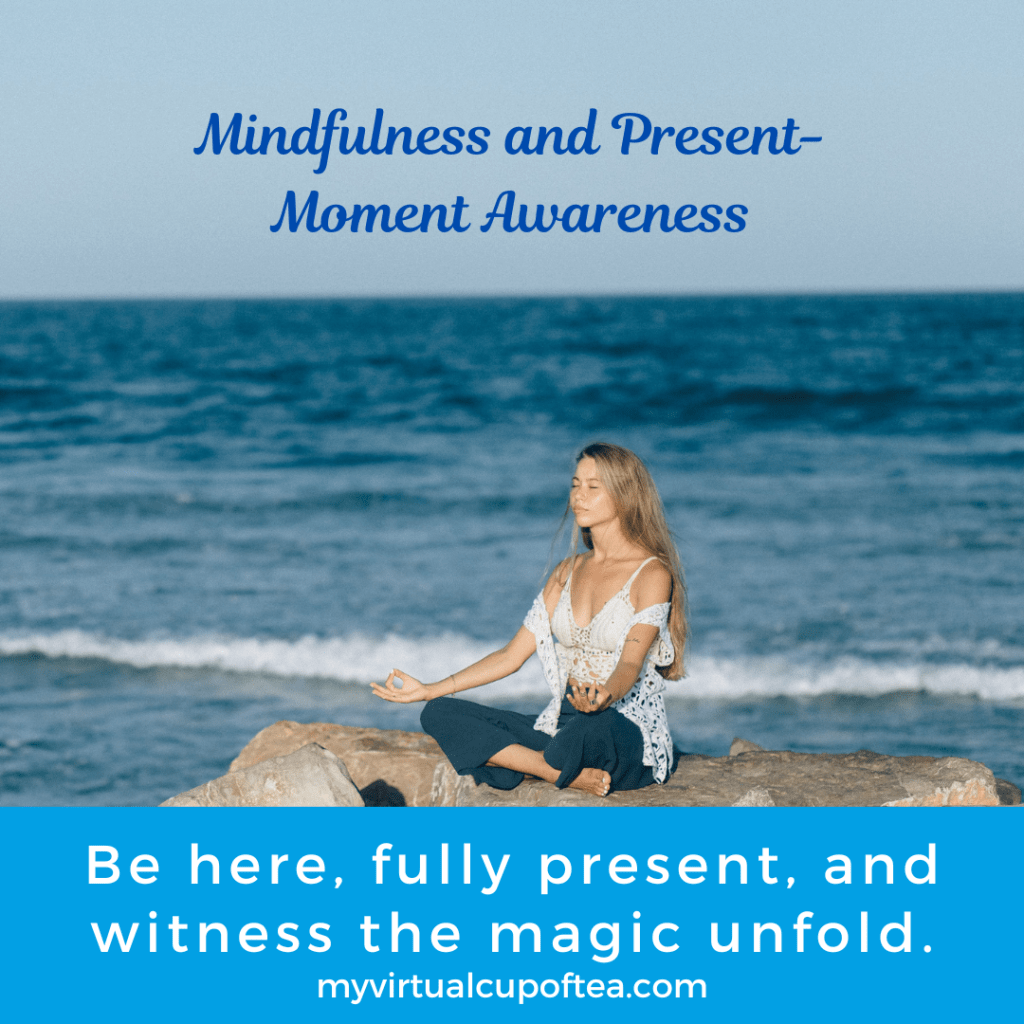

Breathing technique – Pranayama
Pranayama Meditation to Ground and Calm the Mind with Maria GarreSleep doesn’t have to be a battle—it can be an act of gentle surrender. A bedtime yoga sequence is your invitation to unwind, reconnect, and let go of the day with grace.
So tonight, skip the endless scrolling and stretch instead. Breathe deeply, move mindfully, and drift into the kind of sleep that actually feels healing.
Your body will thank you. Your mind will, too. And tomorrow morning? You’ll wake up feeling like the most serene version of yourself.
Sweet dreams and soft landings.
Myvirtualcupoftea.com is a participant in the Amazon Services LLC Associates Program, an affiliate advertising program designed to provide a means for sites to earn advertising fees by advertising and linking to Amazon.com and affiliated sites. Thank you for supporting my blog!
 My Virtual Cup of Tea
1 thought on “Yoga for Better Sleep: A Calming Bedtime Sequence to Relax Your Body and Mind”
Comments are closed.